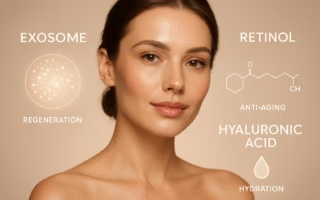
Niacinamide (Vitamin B3) is one of the most researched, multi-benefit ingredients in modern skincare. It helps with acne, dark spots, enlarged pores, redness, oil control, and early signs of aging. This guide explains how niacinamide works, ideal strengths, correct usage, combinations, safety, and what dermatologists say about it.
What Is Niacinamide?
Niacinamide is a stable, water-soluble form of Vitamin B3 widely used for strengthening the skin barrier, calming inflammation, and improving hyperpigmentation.
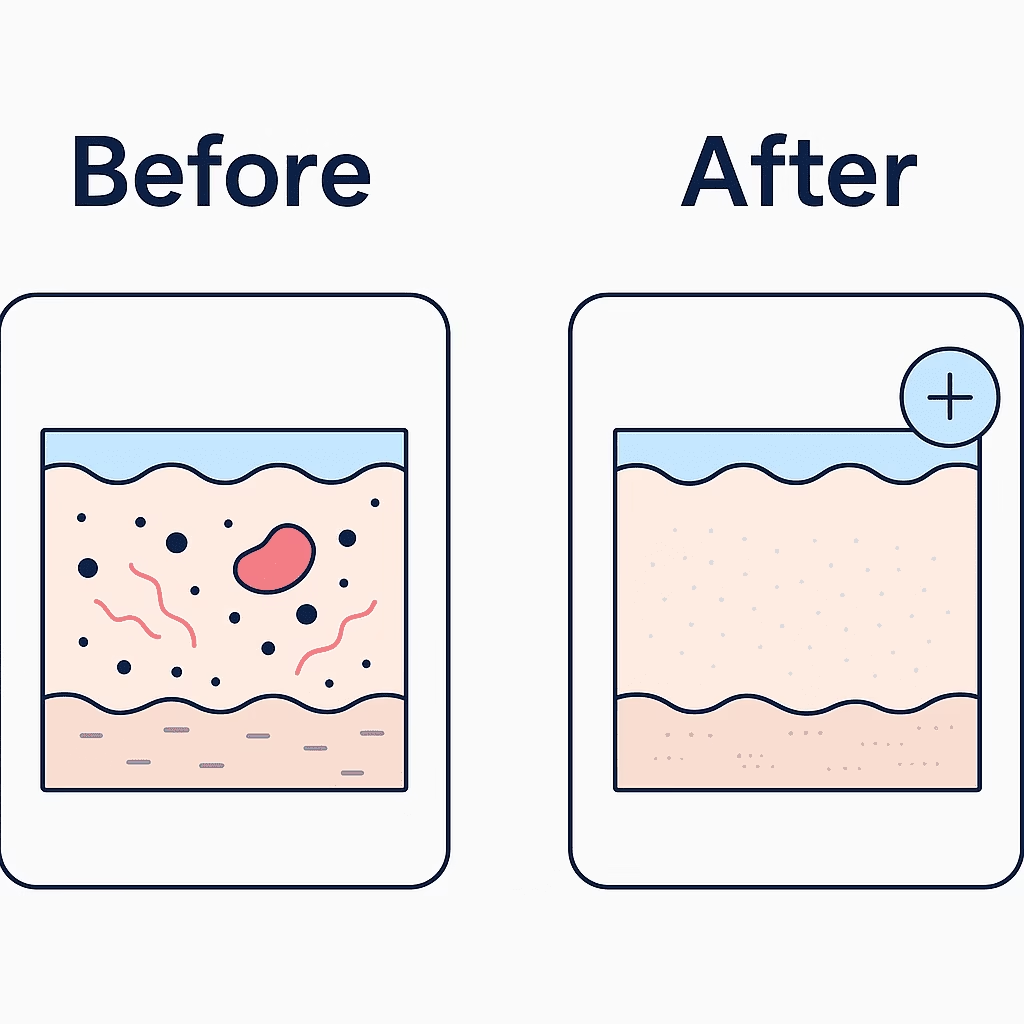
Clinical studies confirm its effectiveness in multiple skin concerns
How Niacinamide Works (Simple Science)
Niacinamide helps the skin through four main scientific mechanisms:
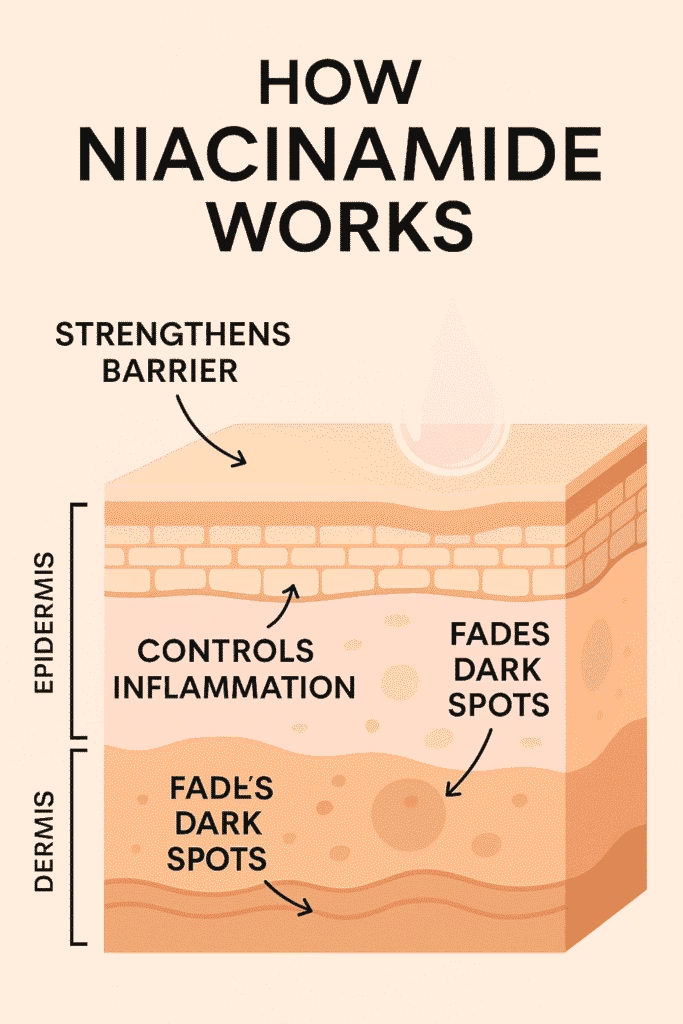
- Strengthens the barrier by boosting ceramides
- Controls excessive sebum
- Reduces inflammation
- Prevents melanin transfer to fade dark spots
These mechanisms are backed by peer-reviewed research from the National Institutes of Health.
Dermatology-Backed Benefits of Niacinamide
Strengthens the Skin Barrier
Improves moisture retention and reduces dryness.
Reduces Acne & Breakouts
Controls oil and calms inflammation.
Fades Dark Spots & Hyperpigmentation
Helpful for PIH, melasma, and uneven tone.
Anti-Aging Support
Boosts elasticity and improves fine lines.
Calms Redness & Sensitive Skin
Good for rosacea-prone and irritated skin.
➡️ Niacinamide for Sensitive Skin
Minimizes the Look of Enlarged Pores
Refines texture and controls congestion.
➡️ Niacinamide for Enlarged Pores
How to Use Niacinamide Correctly
Step-by-Step Application
- Cleanser
- Niacinamide serum
- Moisturizer
- Sunscreen (AM)
Best Strengths (2%, 5%, 10%)
- 2% for beginners
- 4–5% for daily use
- 10% for oily skin & dark spots
➡️ How Much Niacinamide to Use
Combining Niacinamide With Other Skincare Actives
Niacinamide pairs safely with most ingredients.
For general ingredient safety, see the American Academy of Dermatology’s ingredient guidance.
Niacinamide + Vitamin C
Brightens and evens the skin tone.
Niacinamide + Retinol / Tretinoin
Reduces irritation and strengthens the barrier.
Niacinamide + Hyaluronic Acid
Boosts hydration and repair.
➡️ Niacinamide vs Hyaluronic Acid
Niacinamide + AHA/BHA
Balances exfoliation and soothing.
Niacinamide + Azelaic Acid
Brightening + redness reduction.
Niacinamide Product Types
Serums (2–10%)
Most effective for targeted concerns.
Creams & Moisturizers
Good for sensitive or dry skin.
Specialty Formulas
Pigmentation and redness serums.
➡️ Niacinamide Irritation / Redness-inflammation Guide
Safety, Side Effects & Pregnancy Use
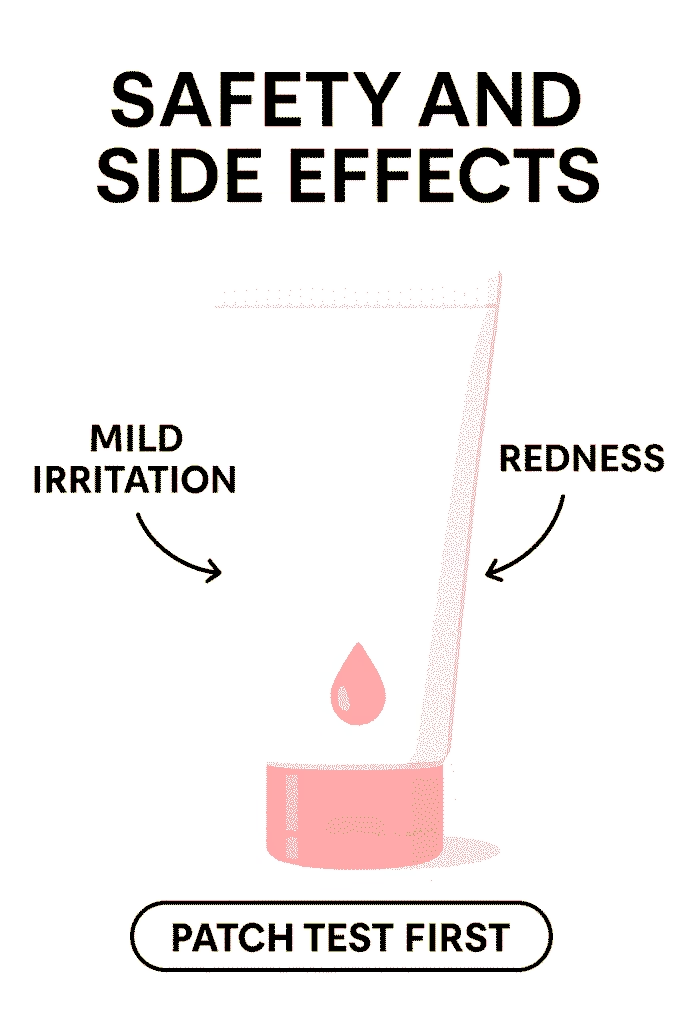
Niacinamide is one of the safest skincare ingredients.
Possible mild effects:
- Temporary redness
- Warmth/tingling
- Irritation at high concentrations
Niacinamide is considered safe during pregnancy (ACOG pregnancy skincare guidance).
Read full Guide on – Is Niacinamide Safe during Pregnancy
Niacinamide FAQs
Yes. It reduces irritation and improves tolerance.
Yes. Modern formulas are fully compatible.
Once or twice daily.
Yes, it reduces hyperpigmentation and improves acne-prone skin.
No, niacinamide and niacin are both forms of Vitamin B3 but have different roles and benefits.
yes.
Niacinamide vs Other Active Ingredients
Niacinamide vs Retinol
Soothing + anti-aging synergy.
Niacinamide vs Vitamin C
Brightening + calming combination.
Niacinamide vs Hyaluronic Acid
Hydration vs barrier repair.
➡️ Check :
- Niacinamide Purging
- Best Time to Use Niacinamide
- Do Niacinamide Cause Skin Darkening
- Niacinamide for Acne Scars
- Niacinamide vs Alpha Arbutin
- Niacinamide with Sunscreen
Final Thoughts
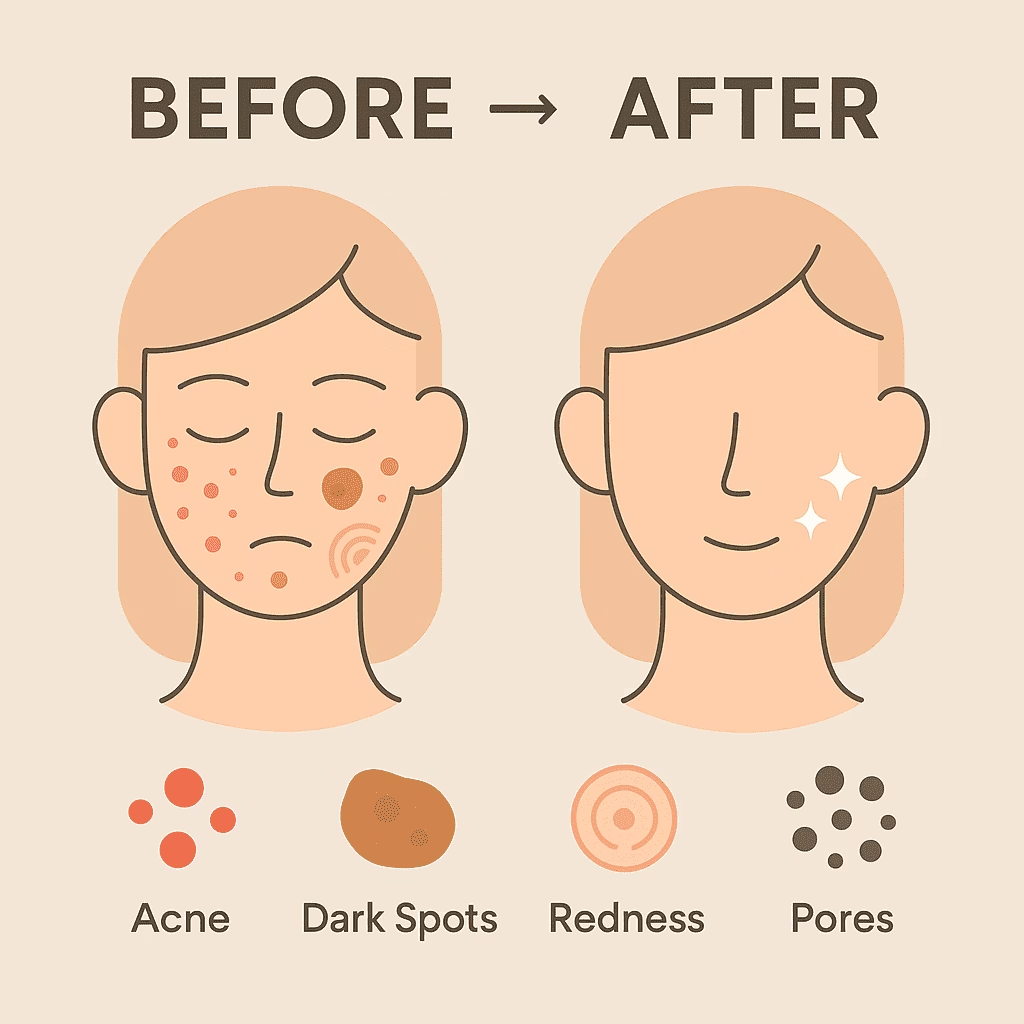
Niacinamide remains a proven, safe, and versatile ingredient for acne, pigmentation, redness, enlarged pores, and early aging. Its compatibility with most actives and strong clinical support make it one of the best additions to any skincare routine.
About the Author
GlowNest Care Team Experts in skincare and wellness research providing actionable, professional insights for healthy, radiant skin.
📖 Read More: Explore our latest skincare tips, haircare routines, mani-pedi care guides, overall beauty care advice, weekly glow tips, FAQs on trending topics, and handy beauty calculators to keep your glow strong.
🔗 Share This Post: Found it helpful? Share it with friends, family, or on social media to spread the knowledge and inspire healthier skin.
💬 Join the Discussion: Scroll down and leave your thoughts or questions in the comments – we’d love to hear from you!