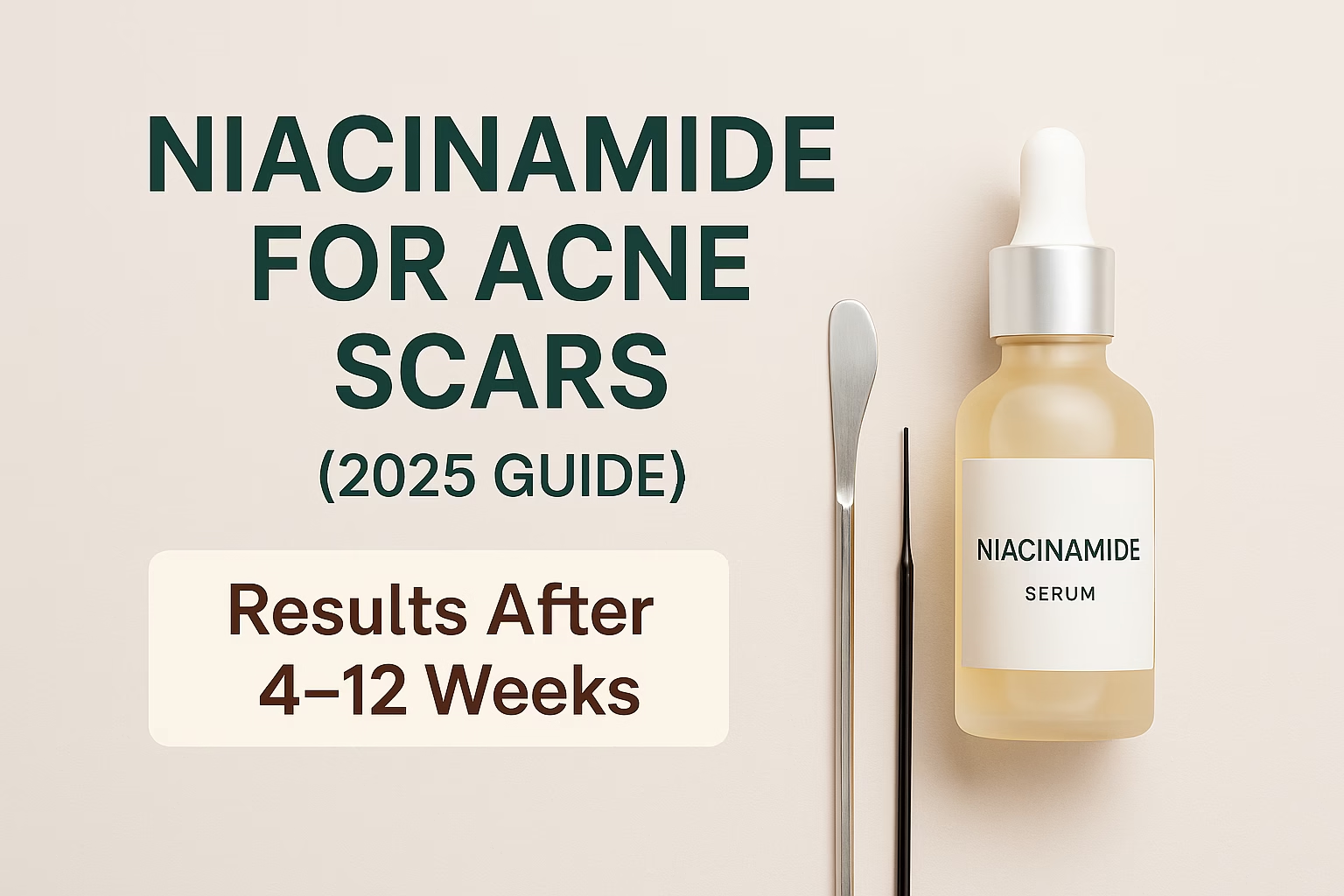
Acne scars, dark marks, and post-inflammatory discoloration (PIH/PIE) are among the most common skin concerns. Niacinamide has become one of the most recommended ingredients for fading these marks because it reduces inflammation, improves skin tone, and strengthens the barrier without irritation.
This guide explains how niacinamide works on acne scars, what results to expect, and how to use it in a routine for maximum fading in 2025.
For the full ingredient breakdown, see:
➡️ Niacinamide 2025 Guide: Benefits, Side Effects & How to Use
Types of Acne Scars: Which Ones Does Niacinamide Help?
Not all acne scars are the same. Niacinamide is effective for some types, not all.
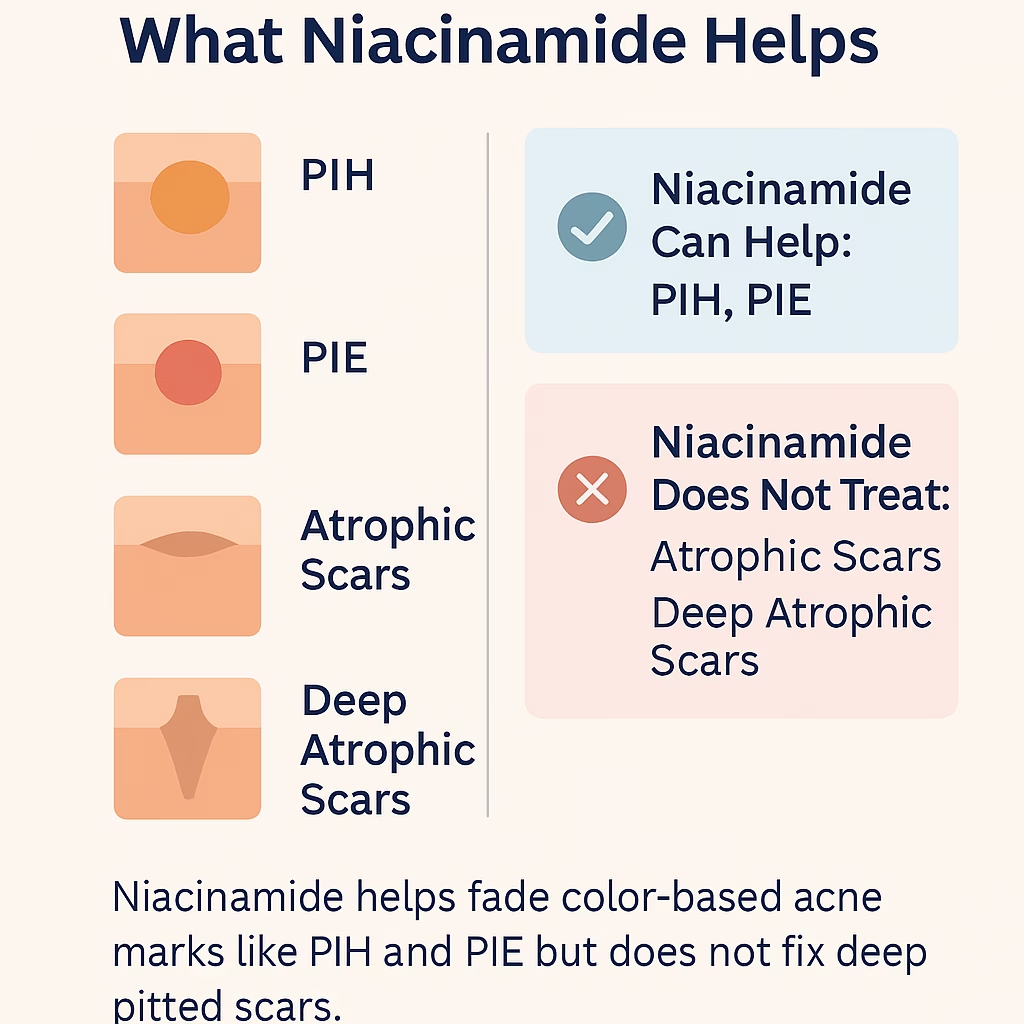
Niacinamide Works Best For:
- PIH (brown marks)
- PIE (red/pink marks)
- Shallow pigmentation patches
- Blotchy post-acne uneven tone
Niacinamide Does NOT Treat:
- Ice pick scars
- Boxcar scars
- Rolling scars
- Deep atrophic scars
These require procedures like microneedling, lasers, or TCA CROSS.
Reference: American Academy of Dermatology — Acne scar types
How Niacinamide Helps Fade Acne Scars
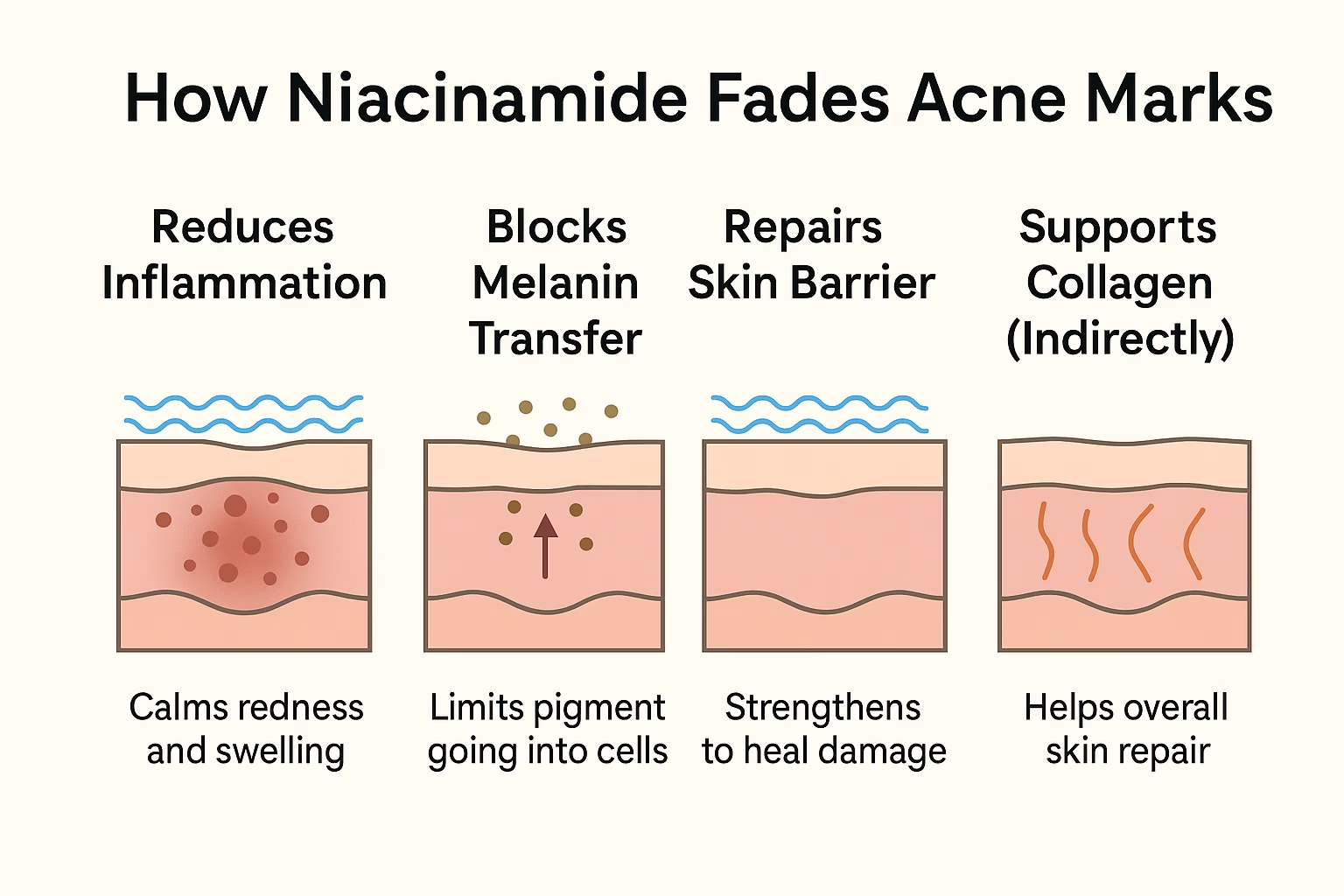
Niacinamide targets acne marks through three main mechanisms:
1. Reduces inflammation
Acne marks stay longer when inflammation is high. Niacinamide calms cytokines, reducing redness and swelling.
2. Blocks melanin transfer
It prevents pigment from moving into skin cells, making dark spots fade faster.
3. Repairs the skin barrier
A strong barrier heals discoloration and post-acne damage quicker.
4. Supports collagen (indirectly)
While not as strong as retinol, niacinamide still helps overall skin repair.
Clinical reference:
Journal of Cosmetic Dermatology — Niacinamide improves PIH and uneven tone
➡️ Niacinamide vs Retinol (for deeper scars)
Results Timeline: How Fast Does Niacinamide Fade Acne Marks?
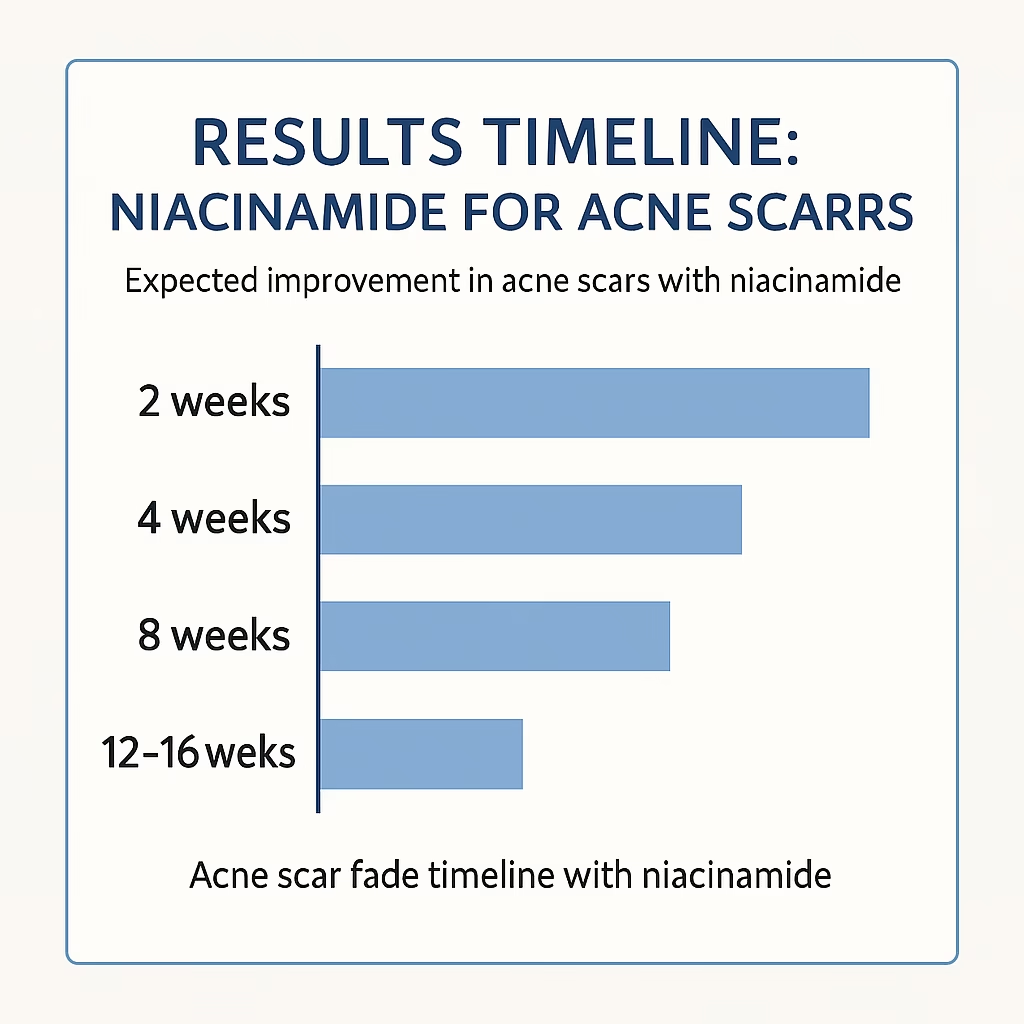
Results depend on skin type, acne severity, and whether marks are red (new) or brown (older).
| Timeline | What Happens |
|---|---|
| 2 weeks | Reduced redness and inflammation |
| 4 weeks | Early fading of pink/red spots |
| 6-8 weeks | Noticeable fading of brown marks (PIH) |
| 12 weeks | Significant improvement in overall tone |
| 16+ weeks | Best results with consistent use |
➡️ Niacinamide for Redness & Inflammation
Best Actives to Combine With Niacinamide for Acne Scars
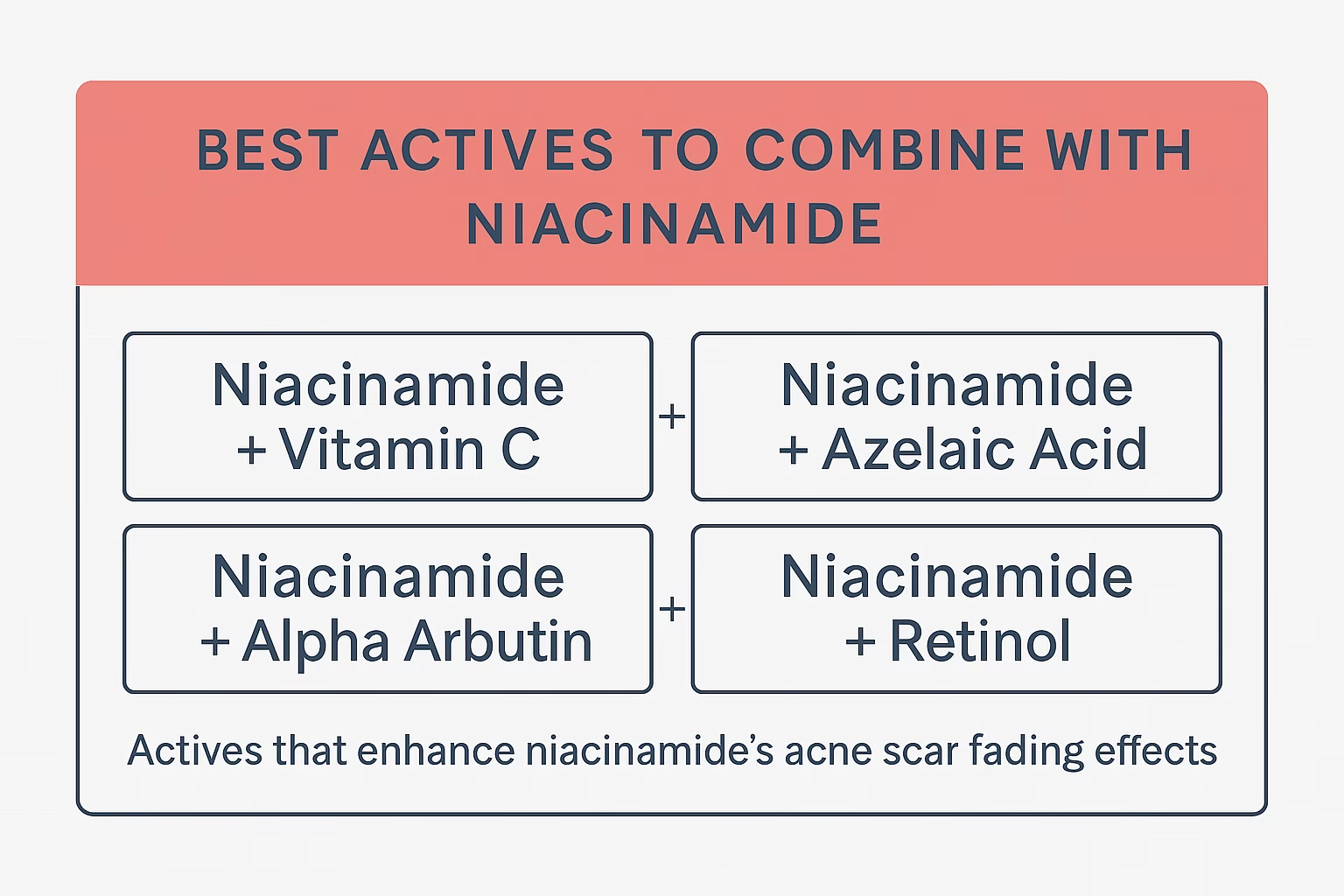
✔ Most Effective Pairings
- Alpha Arbutin (PIH fading)
- Vitamin C (brightening + pigment reduction)
- Retinol (cell turnover, texture improvement)
- Azelaic Acid (PIE & PIH)
- AHA/BHA (removes dead skin so marks fade faster)
✔ Barrier Support Pairings
- Ceramides
- Panthenol
- Hyaluronic Acid
⚠ Use with caution:
- Strong exfoliating acids
- Benzoyl peroxide (can irritate if overused)
Correct Routine for Acne Scar Fading (2025)
Morning Routine
- Cleanser
- Niacinamide
- Alpha Arbutin or Vitamin C
- Moisturizer
- Sunscreen (mandatory – sun darkens scars)
Night Routine
- Cleanser
- Niacinamide
- Retinol (2–3 nights per week)
- Moisturizer
Optional Boosters:
- AHA/BHA once or twice a week
- Azelaic acid on non-retinol nights
Before & After Expectations
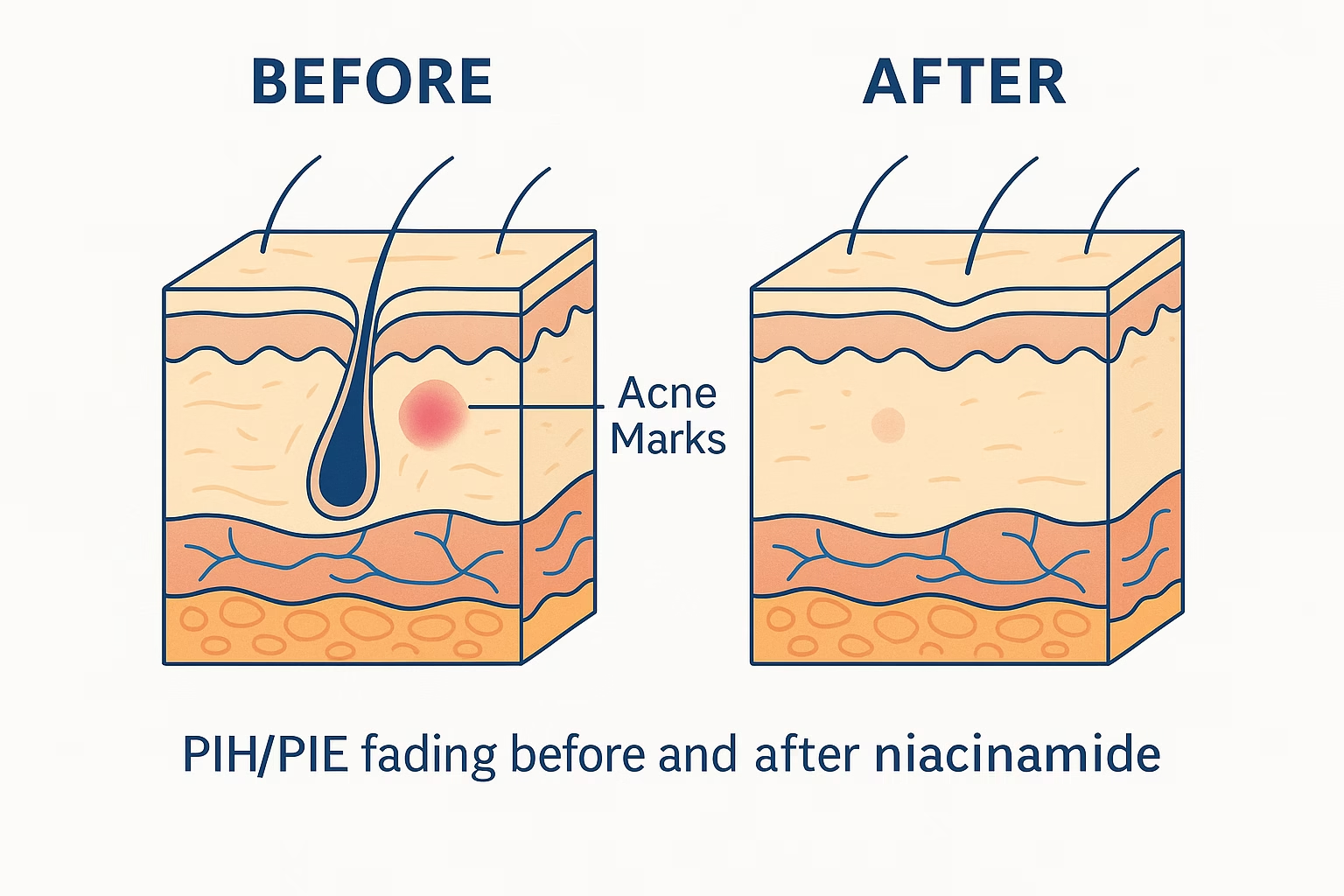
Before
- Brown or red marks
- Uneven tone
- Textured post-acne areas
- Overall dullness
After 8-12 Weeks
- Lighter PIH/PIE
- More even skin tone
- Fresher complexion
- Smoother appearance
- Reduced fresh acne inflammation
FAQs
No. It only affects color-based scars (PIH/PIE), not deep indentations.
Yes – it reduces inflammation, which prevents dark marks after healing.
Yes. Twice daily works best for acne marks.
2–5% for sensitive skin
10% for oily or acne-prone skin
For Deep Dive on Complete Guide of Niacinamide
Final Thoughts
Niacinamide is one of the safest and most reliable ingredients for fading red and brown post-acne marks. While it won’t fix deep scars, it can dramatically improve discoloration, inflammation, and uneven tone. When combined with Vitamin C, retinol, or azelaic acid, results become even faster and more visible.
About the Author
GlowNest Care Team – results-focused skincare advice backed by science.
📖 Read More: Explore our latest skincare tips, haircare routines, mani-pedi care guides, overall beauty care advice, weekly glow tips, FAQs on trending topics, and handy beauty calculators to keep your glow strong.
🔗 Share This Post: Found it helpful? Share it with friends and family as well as on social media to spread the knowledge and inspire healthier skin.
💬 Join the Discussion: Scroll down and leave your thoughts or questions in the comments because we’d love to hear from you!