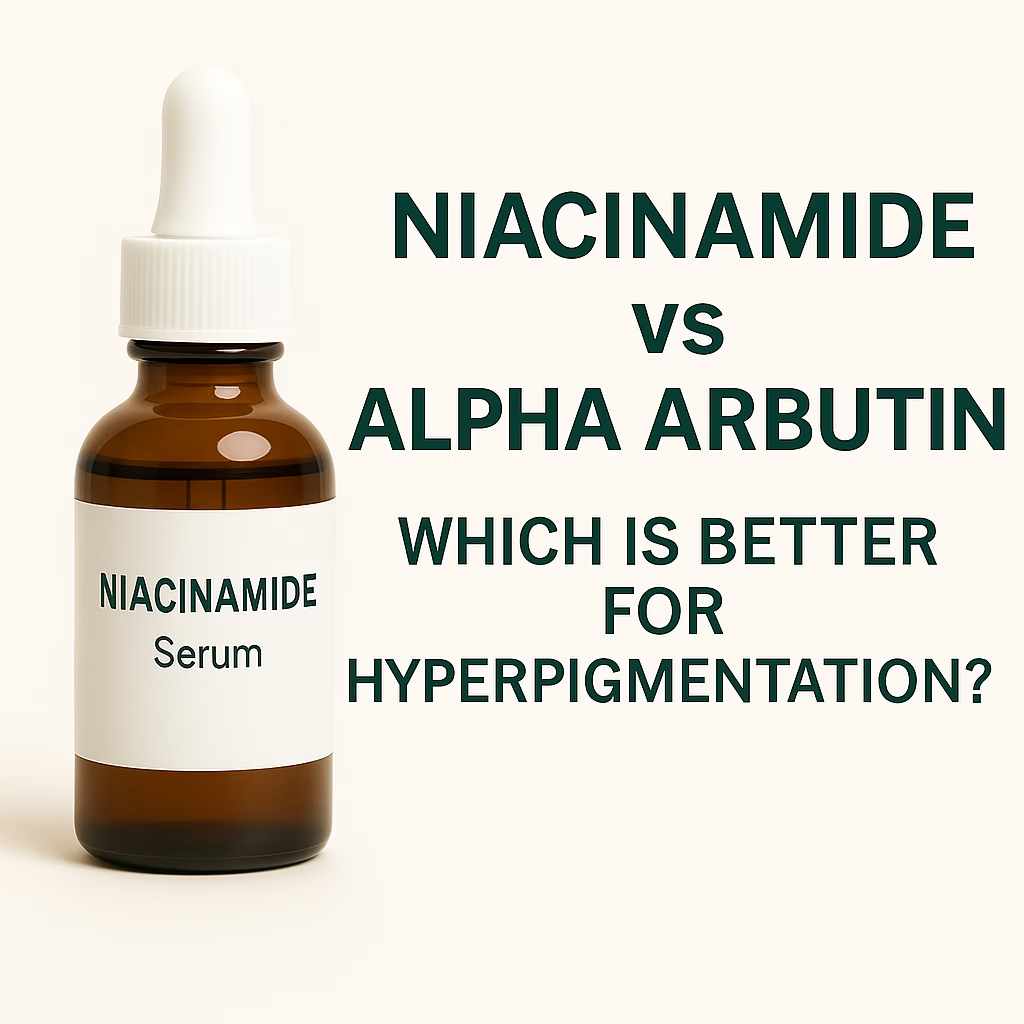
Niacinamide is one of the most widely used skincare ingredients, but many expecting mothers worry about whether it is safe to use during pregnancy. With so many restricted ingredients (retinoids, high-strength acids, certain essential oils), it makes sense to double-check.
This guide breaks down current dermatology research, pregnancy-safety classifications, dosage considerations, and how to use niacinamide safely while pregnant or breastfeeding.
- Best Time to Use Niacinamide
- How Much Niacinamide to Use
- Niacinamide Irritation
- Can You Use Niacinamide Every Day?
Is Niacinamide Safe During Pregnancy? (Short Answer)
Yes – Niacinamide is considered safe during pregnancy and breastfeeding.
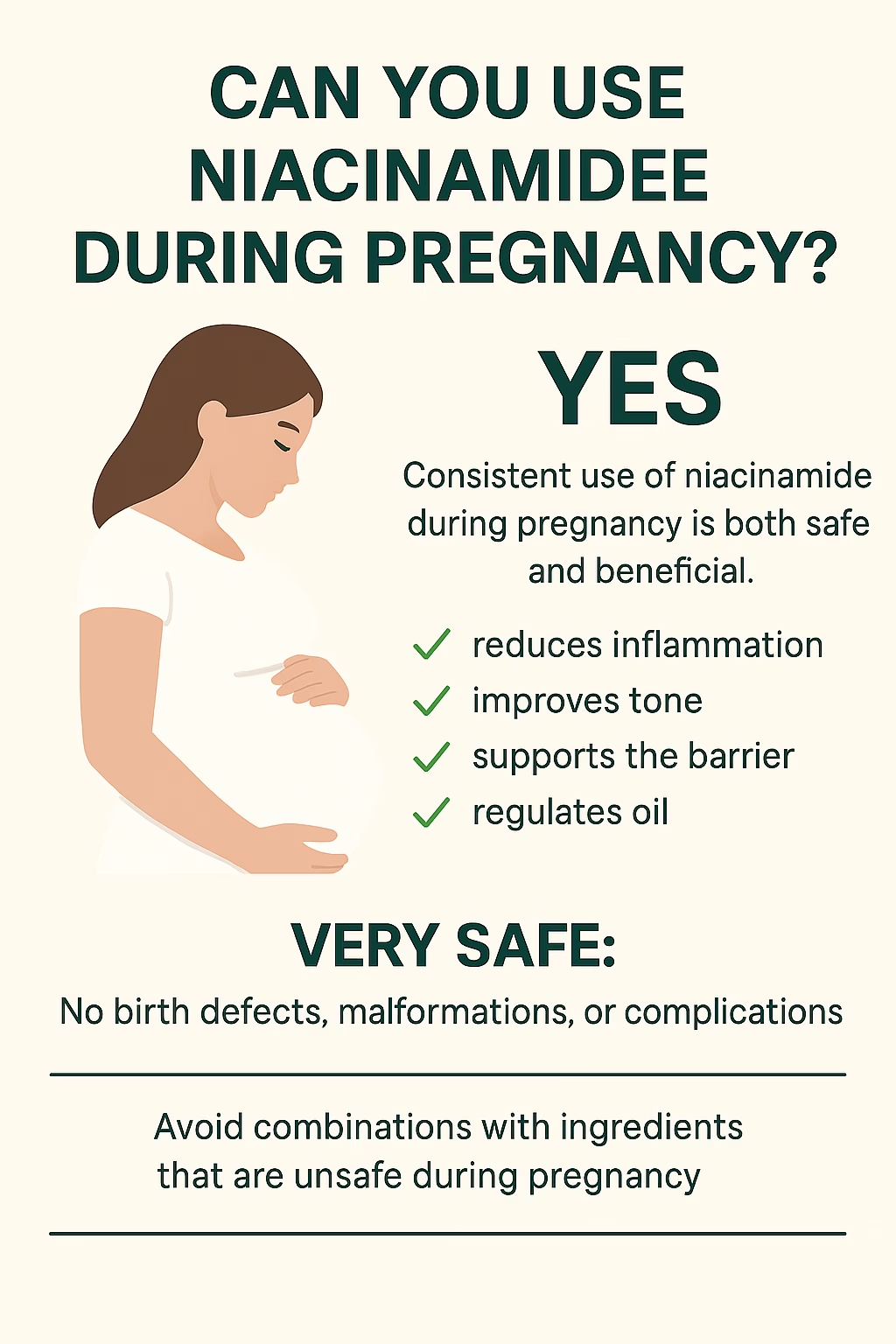
Dermatology boards classify niacinamide as:
- non-teratogenic
- non-systemic (absorbs minimally into bloodstream)
- non-hormonal
- non-photosensitizing
Because it is gentle, stable, and non-irritating, niacinamide is one of the top recommended ingredients for pregnant individuals.
Why Niacinamide Is Safe During Pregnancy
1. Minimal absorption into the bloodstream
Niacinamide works at the skin’s surface and does not penetrate deeply enough to impact fetal development.
2. No hormonal activity
Unlike retinoids or hydroquinone, niacinamide does not affect hormone pathways or cell differentiation.
3. Non-photosensitizing
It does not increase sun sensitivity, which is important because pregnant skin is more prone to pigmentation.
4. Reduces inflammation instead of triggering it
Pregnancy can make skin reactive, niacinamide helps calm redness and irritation.
5. Safe across all trimesters
There is no trimester-specific limitation.
Benefits of Using Niacinamide During Pregnancy
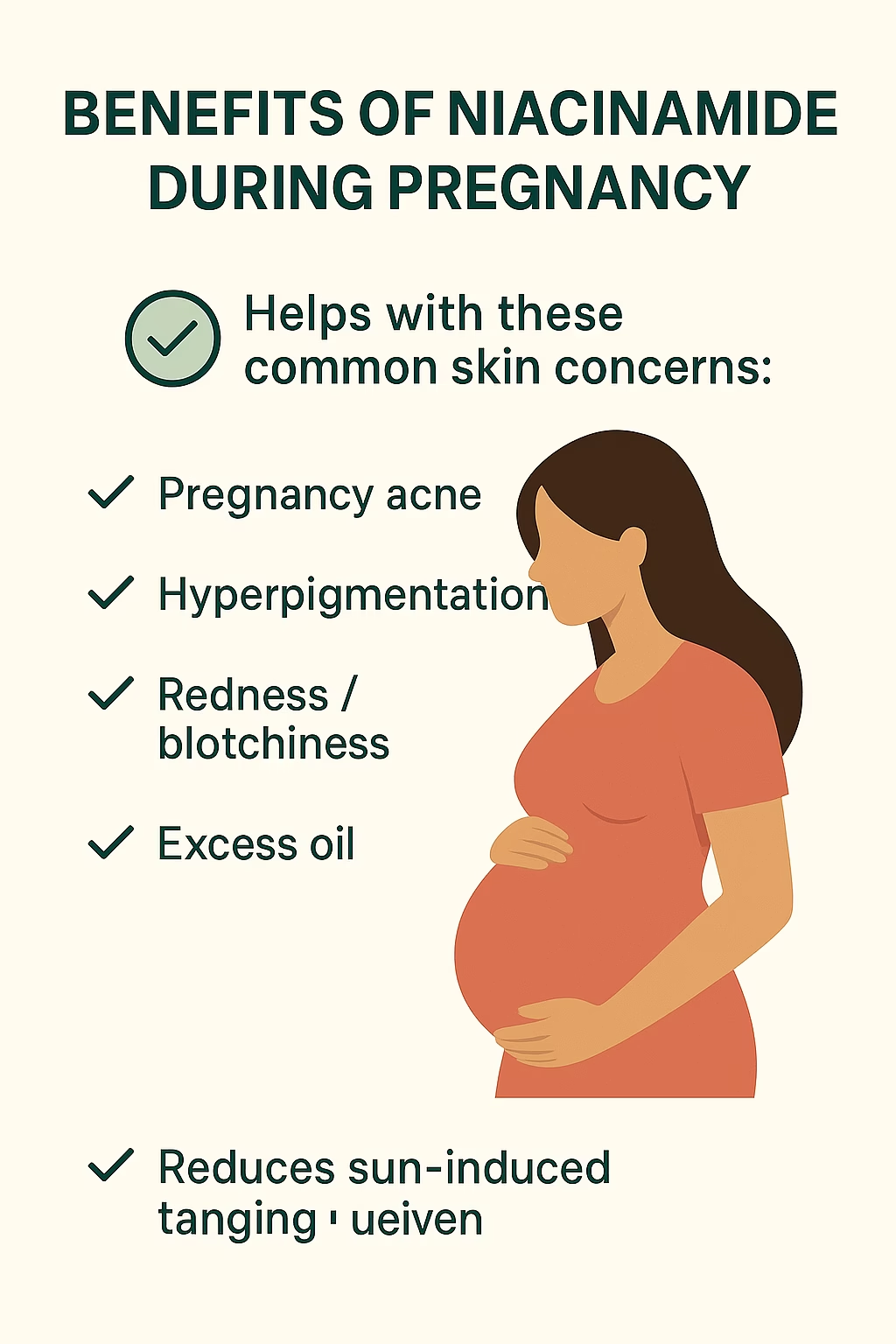
Pregnancy can cause major skin changes. Niacinamide helps manage several of them:
✔ Hyperpigmentation & Melasma
Pregnancy hormones increase melanin production, especially on the forehead, cheeks, and upper lip.
Niacinamide helps reduce melanin transfer and prevent dark patches from worsening.
✔ Acne Breakouts
Hormonal shifts can trigger acne.
Niacinamide helps reduce inflammation and regulate oil production.
✔ Increased Sensitivity
Many people develop redness and irritation while pregnant.
Niacinamide soothes and strengthens the barrier.
✔ Excess Oil or Dryness
Both are common – niacinamide balances the skin.
✔ Dullness or uneven tone
Safe brightening option without acids or retinoids.
How to Use Niacinamide Safely During Pregnancy
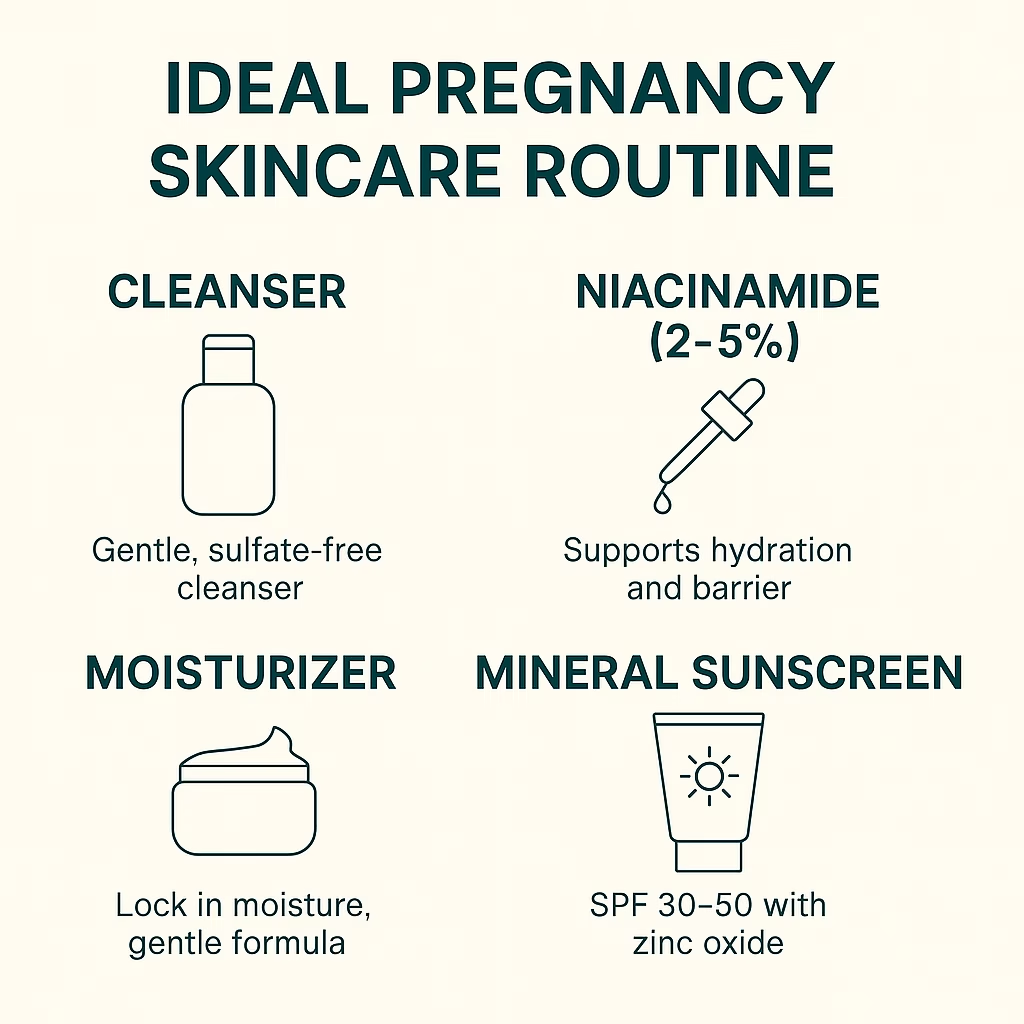
✔ Choose 2–5% concentration
Gentle and effective without increasing irritation risk.
✔ Avoid layering with too many strong actives
Your barrier is more sensitive during pregnancy.
✔ Use niacinamide under sunscreen
Helps reduce pregnancy-related pigmentation.
✔ Introduce slowly if you’ve never used it before
Every other day → daily after 1-2 weeks.
Ingredients Safe to Combine with Niacinamide During Pregnancy
- Hyaluronic acid
- Vitamin C (ascorbic acid / derivatives)
- Azelaic acid
- Sunscreen (mineral or chemical)
- Ceramides
- Peptides
- Squalane
- Centella asiatica
Ingredients to Avoid During Pregnancy (Do NOT mix with niacinamide or otherwise)
❌ Retinol / Retinoids (tretinoin, adapalene, tazarotene)
❌ Hydroquinone
❌ High-strength chemical peels (AHA 30%, BHA 2% peels)
❌ Skin-lightening agents with unclear safety
❌ Salicylic acid in high concentrations
❌ Kojic acid (limited data)
Niacinamide is used as a safe alternative to many of these.
Niacinamide for Pregnancy Melasma
Melasma (also called “the mask of pregnancy”) affects up to 50–70% of pregnant individuals.
Niacinamide is one of the top dermatologist-recommended treatments because:
- ✔ reduces melanin transfer
- ✔ reduces inflammation
- ✔ strengthens barrier
- ✔ pairs well with pregnancy-safe sunscreen
- ✔ does not require downtime or exfoliation
For stronger results, niacinamide can be combined with azelaic acid or vitamin C.
Is Topical Niacinamide Safe While Breastfeeding?
Yes, niacinamide is safe while breastfeeding.
It is not known to transfer into breast milk in meaningful amounts, and it does not need to be avoided unless irritation occurs.
Precaution:
Avoid applying skincare directly on the nipple area.
Possible Side Effects (Rare)
Niacinamide is extremely well tolerated, but pregnancy skin can be unpredictable.
Possible reactions:
- mild redness
- slight tingling
- warming sensation
- temporary dryness with high %
- pilling under sunscreen (product issue, not safety issue)
If irritation appears → switch to 2% or use every other day.
When to Avoid Niacinamide During Pregnancy
You may pause use if you have:
❌ severe irritation
❌ barrier-damaged skin
❌ allergic reaction (very rare)
❌ multiple actives causing overload
Otherwise, niacinamide is safe for consistent use.
FAQs
Yes, but it may be irritating.
2–5% is recommended for comfort and stability.
No – it evens tone; it does not bleach skin.
It helps reduce severity when paired with daily sunscreen.
Either – but morning use + SPF gives better pigmentation control.
Yes, it’s one of the safest acne ingredients available.
Final Thoughts
Niacinamide is one of the safest and most useful skincare ingredients during pregnancy. It helps control pigmentation, breakouts, redness, and sensitivity without risking fetal health. Used consistently with sunscreen, it protects the skin through all hormonal changes.
About the Author
About the Author
GlowNest Care is a skincare research team focused on evidence-based dermatology. We simplify complex ingredient science into clear, practical guidance so readers can make safe, informed skincare decisions — especially during sensitive stages like pregnancy.
📖 Read More: Explore our latest skincare tips, haircare routines, mani-pedi care guides, overall beauty care advice, weekly glow tips, FAQs on trending topics, and handy beauty calculators to keep your glow strong.
🔗 Share This Post: Found it helpful? Share it with friends and family as well as on social media to spread the knowledge and inspire healthier skin.
💬 Join the Discussion: Scroll down and leave your thoughts or questions in the comments because we’d love to hear from you!