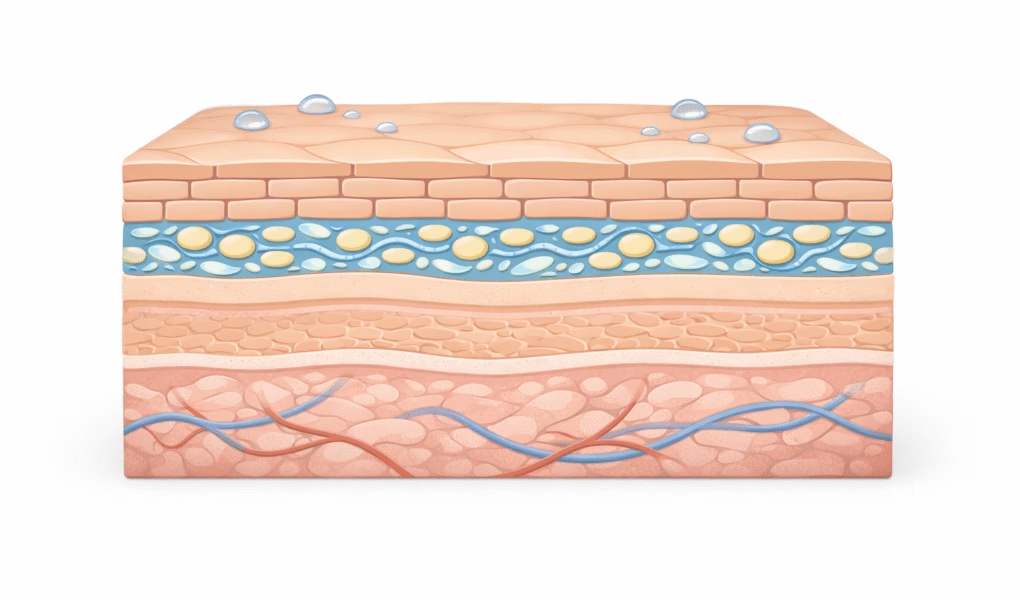
If your skin barrier is a brick wall, ceramides are the cement. Remove them, and everything leaks. Add them back, and suddenly your skin stops behaving like a drama queen.
Despite being everywhere in skincare marketing, ceramides are often misunderstood or used incorrectly. This guide explains what ceramides actually do, who needs them most, and how to use them properly for real barrier repair.
What Are Ceramides?
Ceramides are natural lipids (fats) found in the outermost layer of your skin, the stratum corneum(AAD). They make up nearly 50% of the skin’s lipid barrier.
Their main job:
- Hold skin cells together
- Prevent moisture loss
- Protect against irritants, bacteria, and allergens
Healthy skin has plenty of ceramides. Damaged skin does not.
Why Ceramides Are Essential for Skin Barrier Health
When ceramide levels drop, the skin barrier weakens. This leads to:
- Increased transepidermal water loss (TEWL)
- Dryness and flakiness
- Redness and inflammation
- Increased sensitivity
- Acne and eczema flare-ups
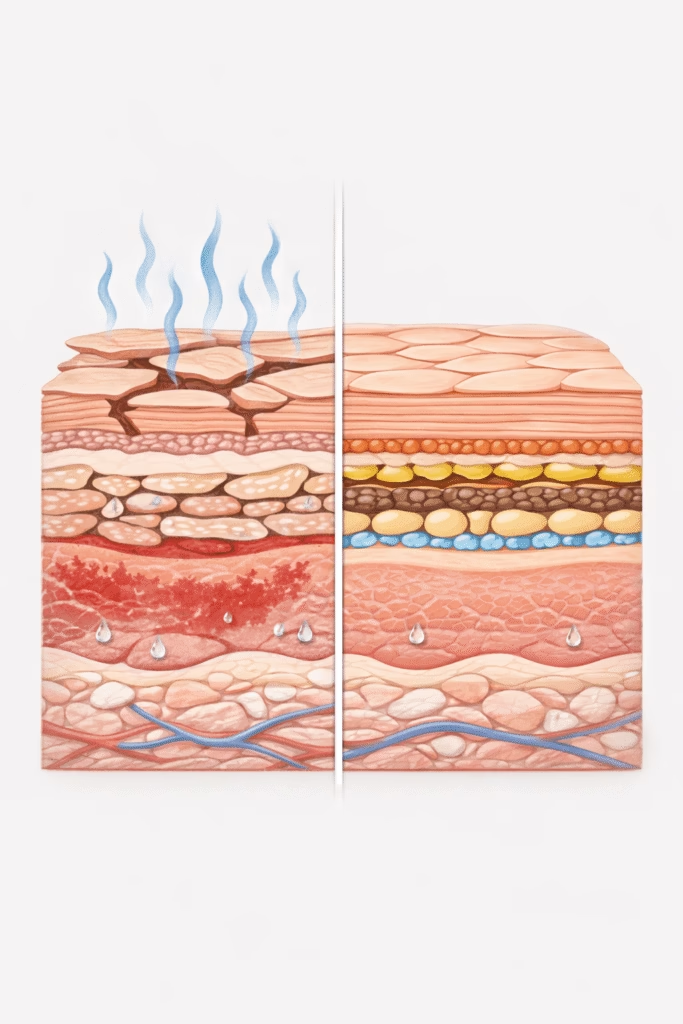
This is why ceramides are a cornerstone of barrier-first skincare, not a bonus ingredient.
➡️ Skin Barrier Repair: What It Is, Why It Breaks, and How to Fix It
What Causes Ceramide Depletion?
Ceramides don’t disappear randomly. We remove them ourselves.
Common Causes
- Over-cleansing
- Harsh surfactants
- Overuse of exfoliating acids
- Excessive retinoid use
- UV exposure
- Aging (yes, this one’s unavoidable)
If your routine is aggressive, ceramides are usually the first casualty(Clevelandclinic).
Types of Ceramides Used in Skincare
You’ll often see names like:
- Ceramide NP
- Ceramide AP
- Ceramide EOP
These are skin-identical ceramides, meaning they mimic what your skin naturally produces. That’s good. Your skin recognizes them and uses them efficiently.
Ceramides work best when paired with:
- Cholesterol
- Fatty acids
This trio is often called the gold standard lipid ratio for barrier repair.
Ceramides vs Other Barrier Ingredients
Ceramides don’t work alone. Here’s how they compare:
- Ceramides rebuild structure
- Niacinamide boosts ceramide production and reduces inflammation
- Panthenol soothes and accelerates healing
- Hyaluronic acid hydrates but does not repair structure
Hydration without lipids is temporary. Ceramides make it stick.
➡️ Niacinamide for Skin Barrier Repair
➡️ Panthenol Benefits for Sensitive Skin
Who Should Use Ceramides?
Ceramides are not optional if you have:
- Dry or dehydrated skin
- Sensitive or reactive skin
- Acne-prone skin with irritation
- Eczema or rosacea-prone skin
- A damaged skin barrier
Even oily skin benefits. Oiliness does not equal a healthy barrier.
How to Use Ceramides Correctly
Best Product Types
- Moisturizers
- Barrier creams
- Repair serums
How to Apply
- Apply on slightly damp skin
- Use after hydrating serums
- Follow with sunscreen (AM)
Ceramides are safe for daily, long-term use. No cycling needed. No fear-mongering required.
Common Mistakes With Ceramides
- Expecting instant results
- Using ceramides while over-exfoliating
- Ignoring sunscreen
- Layering too many actives alongside them
Ceramides repair slowly. That’s biology, not failure.
Frequently Asked Questions (FAQs)
Yes. Ceramides restore lipid structure and reduce moisture loss, which is essential for barrier repair.
Yes. They are non-comedogenic and often reduce acne caused by irritation.
Most people notice reduced sensitivity within 1-2 weeks, with barrier improvement over 2-4 weeks.
Yes, but only once your barrier is stable. Ceramides help reduce retinol irritation.
No. Oils help hydration but do not replicate the skin’s ceramide structure.
About Author
Written by GlowNest Care Editorial Team
GlowNest Care focuses on evidence-based skincare education, ingredient science, and routines designed for long-term skin health rather than short-term trends.